
Drug & Alcohol Abuse Prevention Program
Purpose
The University of Utah is committed to providing a safe and healthy environment for all students and employees. The University of Utah's Drug and Alcohol Abuse Prevention Program (DAAPP) seeks to provide students and employees support regarding the use and abuse of drugs and alcohol.
On this page, you will find
- University policies and regulations related to drug and alcohol abuse prevention
- Federal, state, and local laws regarding drugs and alcohol
- Notable health risks associated with the use of drugs and alcohol
- Disciplinary sanctions associated with violations of university policies and regulations
- Programs and intervention efforts provided by the university
In addition, the University must conduct a biennial review in order to measure the effectiveness of its DAAPP, and to ensure consistent treatment in enforcement of its disciplinary sanctions.
The two most recent versions of the biennial review can be reviewed here:
2025-2026 Biennial Review

Confidential Support is Available
The University of Utah is an institution committed to providing professional help for individuals on campus who may have a drug and/or alcohol problem.
If you are aware of a Utah student, staff, or faculty who struggles with substance abuse, you can contact your instructor or Student Support & Accountability for assistance. Confidentiality will be maintained.
We hope that you will feel an obligation to help those in need and to help maintain a safe and healthy campus environment.
Drug and Alcohol Prevention
In keeping with these objectives, the University maintains an alcohol- and drug-free workplace consistent with its Code of Conduct and in compliance with state and federal laws and regulations. Unlawful possession, use, or distribution of illicit drugs and alcohol by students and employees on university property or as part of university activities is strictly prohibited.
Students
Violation of the Student Code may result in one or more of the following sanctions:
- warning,
- probation,
- educational requirement,
- restriction of privileges,
- parental notification,
- clinical assessment,
- eviction from on campus housing,
- suspension
- or dismissal.
Since a variety of factors must be considered when sanctioning, sanctions may be increased or decreased at the discretion of University personnel responsible for administering the Student Code.
Factors affecting the imposition of sanctions include such issues as the severity of the incident, impact upon other individuals or the community, and previous behavioral conduct.
The matrix below represents examples of actions that could be or are typically taken with students who violate the Student Code regarding alcohol and drug use on campus. Local, state, and federal laws may also apply to alcohol and drug violations.

Employees
Any employee of the University who violates the Drug Free Workplace policy may be required to participate in a drug or alcohol abuse assistance or rehabilitation program approved by the director of human resources in accordance with federal law.
Faculty: Discipline for faculty may include a range of sanctions including a written reprimand, suspension or dismissal. Policy 6-316, Sections 5 & 6.
Staff: Employees may be disciplined for violating any University policies. Violations of the Drug Free Workplace rules may pose particular risks to the University community.
Egregious behavior may result in termination upon one instance of misconduct. Rule 5-111C. It defines as “egregious behavior” as the
- “Use, being under the influence or possession of alcohol in violation of the University's Alcohol related
- or illegal use of drugs and/or being under the influence of illegal drugs while on University property
- or when engaged in University business and when such conduct poses a serious threat of harm to people, property and/or resources of the University.”
State Enforcement
- Utah laws prohibit the possession and distribution of controlled substances, which are defined in Utah’s statutes and include such drugs as marijuana, heroin, cocaine, and prescribed medications. See Utah Code Ann. § 58-37-4 for a listing of controlled substances.
- In Utah, it is unlawful to produce, manufacture and/or dispense a controlled substance. Violation of this law may result in charges running from a class A misdemeanor to second degree felony depending upon the type of controlled substance and the circumstances of the crime. Utah Code Ann. § 58-37-8(1).
- It is unlawful in Utah possess or use a controlled substance except pursuant to a valid prescription. Violation of this law may result in charges running from a class B misdemeanor to second degree felony depending upon the quantity of drugs within the individuals possession. Utah Code Ann. §58-37-8(2).
- It is a class B misdemeanor in Utah to use or possess drug paraphernalia. Utah Code Ann. § 58-37a-5.
- Penalties for drug violations in Utah may include incarceration for certain periods of time and fines ranging from $750 to $10,000 depending upon the nature and circumstances of the offense. Utah law provides for enhanced penalties and charges if the drug violations occur on a college campus.
- Utah law prohibits minors under the age of 21 from consuming alcohol. Utah Code Ann. § 32B-4-409. A violation of this law will result in the suspension of driving privileges. It is also unlawful in Utah to sell or distribute alcohol to a minor Utah Code Ann § 32B-4-403. Violation of this law is a class A or B misdemeanor.
- Utah law prohibits driving while under the influence of alcohol. Utah Code Ann. §41-6a503. Violations of this law may result in a class B misdemeanor to a third-degree felony depending upon the circumstances. Driving under the influence will also result in the suspension or revocation of a driving license.
Federal Enforcement: United States Drug Enforcement Administration - Federal Trafficking Penalties (PDF)
The use of any illicit drug or abuse of alcohol is potentially hazardous to your health. Faculty, staff, and students should evaluate the health risks associated with use of illicit drugs or abuse of alcohol. Synthetically produced drugs may contain impurities and the true amounts and ingredients are rarely known. The effects of a drug may be significantly different with each use.
The U.S. Drug Enforcement Administration states: “The illegal importation, manufacture, distribution, and possession and improper use of controlled substances have a substantial and detrimental effect on the health and general welfare of the American people.”
The National Institute of Alcohol Abuse & Alcoholism (NIAAA) provides comprehensive information and resources associated with alcohol abuse. Some of the major health risks of alcohol abuse include alcohol dependence, lasting effects on the brain, violence and injury, and suicide.
Schedule I
Included Substances
- Narcotics such as heroin
- Hallucinogens such as LSD
- Mescaline
- Peyote
Schedule I
Health Risks
- Psychologically and physically addictive
- Depression
- Withdrawal symptoms
- Convulsions
- Unpredictable behavior with hallucinogens
- Possible damage to unborn fetus
Schedule II
Included Substances
- Narcotics such as opium, morphine, methadone, and codeine
- Depressants, such as methaqualone (quaalude) and some barbiturates
- Stimulants, such as cocaine and some amphetamines
- Phencyclidine (PCP), a hallucinogen.
Schedule II
Health Risks
- Psychologically and physically addictive
- Depression
- Withdrawal symptoms
- Convulsions
- Respiratory failure
- Frequent accidents
- Possible damage to unborn fetus
- Cocaine and amphetamines increase blood pressure which can lead to irregular heartbeat and death
- Amphetamines can cause agitation, increase in body temperature, hallucinations, convulsions, possible death.
Schedule III
Included Substances
- Stimulants (including some amphetamines)
- Depressants (including some barbiturates)
- Some narcotics
Schedule III
Health Risks
- Psychologically and physically addictive
- Drowsiness
- Withdrawal symptoms
- Abdominal and muscle cramps
- Anxiety
- Tremors
- Insomnia
- Convulsions
- Possible death
- Possible damage to unborn fetus
Schedule IV
Included Substances
- Depressants, including benzodiazepines (e.g., Valium, Librium, and Dalmane), chloral hydrate, some barbiturates, and others (e.g., opium, codeine) than drugs included in schedules I-IV.
Schedule IV
Health Risks
- Psychologically and physically addictive
- Drowsiness
- Withdrawal symptoms
- Abdominal and muscle cramps
- Anxiety
- Tremors
- Insomnia
- Convulsions
- Possible death
- Possible damage to unborn fetus
Schedule V
Included Substances
- Chemical compounds with smaller quantities of certain substances (e.g., opium, codeine) than drugs included in schedules I – IV.
Schedule V
Health Risks
- Psychologically and physically addictive
- Drowsiness
- Withdrawal symptoms
- Abdominal and muscle cramps
- Anxiety
- Tremors
- Insomnia
- Convulsions
- Possible death
- Possible damage to unborn fetus
Cannabis
Included Substances
- Marijuana,
- THC,
- Hashish,
- Hash oil
Cannabis
Health Risks
- Psychologically and physically addictive
- Increased risk of lung cancer, bronchitis, and emphysema
- Heart disease
- Fatigue
- Paranoia
- Possible psychosis
- Insomnia
- Hyperactivity
- Decreased Appetite
- Depression of the immune system
- Decreased sperm count in men
- Irregular ovulation in women
- Possible sperm and ovum change
Resources

UofU Wellness Programs
We provide educational and comprehensive programs and services that address the nine dimensions of health and support students in their pursuit of lifelong wellness.

Harm Reduction Services & Supplies
We offer several services to help students find balance and access supplies that help them make informed choices around substances including coaching, substance contamination testing supplies, and trainings on how to reverse an overdose with Naloxone

Recovery at the U
Recovery at the U is not a clinical treatment recovery program but a peer support community. Its purpose is to support students in or seeking recovery through community to achieve academic and personal success while enjoying a healthy, balanced, and genuine college experience.
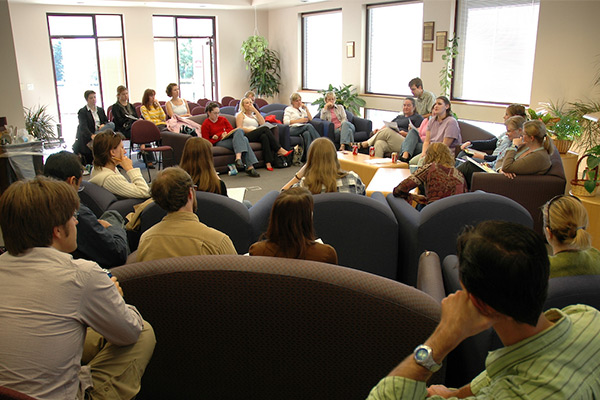
Therapy Group
The University of Utah's Counseling Center hosts a therapy group designed for students who are seeking to manage, moderate, or abstain from alcohol or substance use. Process and explore mental health concerns, address feelings of guilt and shame, connect with other students, and develop healthy coping skills
Additional resources